

Make Lesotho e-Invoicing Work Shopify Stores
How Shopify Transactions Flow into Lesotho E-Invoicing
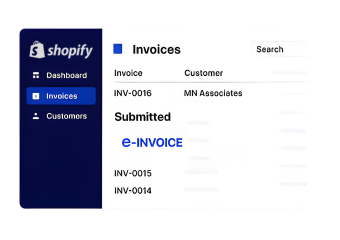
- Order Information Collection: Completed Shopify orders provide customer, product, quantity, tax, and transaction information for connected invoice processing.
- Sales Data Mapping: Relevant Shopify information is mapped into the corresponding fields required for structured electronic invoice preparation and downstream processing.
- Invoice Content Verification: Advintek checks configured invoice information to identify missing or inconsistent data before the document progresses through the billing workflow.
- Tax Data Preparation: Applicable VAT and transaction details are organized within the invoice structure to support accurate electronic billing activities.
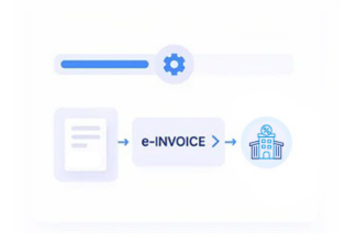
- Digital Invoice Processing: Prepared invoice information continues through the applicable Lesotho electronic invoicing workflow and connected tax infrastructure.
- Billing Record Preservation: Processed invoice information and relevant transaction records remain organized for future reference, reconciliation, and business administration.
What Does Advintek’s Shopify Integration Actually Do
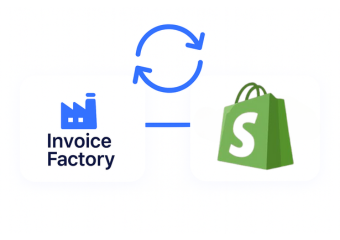
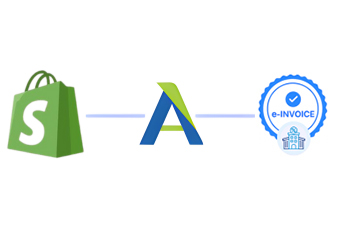
Advintek connects Shopify commerce with electronic invoicing, converting transaction data into structured invoices while businesses manage products, customers, orders, and storefronts in Shopify.
- Extracts relevant information from completed Shopify orders
- Maps sales information into electronic invoice structures
- Checks invoice data before further processing
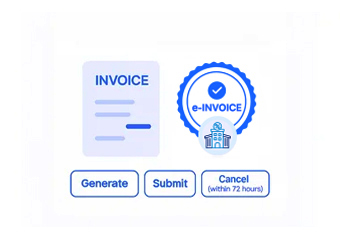
- Coordinates changes arising from returns and cancellations
Why Shopify Businesses Trust Advintek
- Commerce-First Invoicing: Electronic billing is connected directly with Shopify sales activity, helping businesses create a stronger relationship between online orders and financial documentation.
- Cleaner Order Information: Product, customer, transaction, and tax information can be carried into invoice workflows without repeated manual entry by finance teams.
- Faster Billing Administration: Automated processing reduces repetitive work involved in preparing invoices from completed online purchases.
- Better Sales-to-Finance Coordination: Connected workflows help finance teams work with information generated from Shopify while maintaining greater consistency across billing records.
- Controlled Return Handling: Changes caused by cancellations, returns, and related adjustments can be incorporated into organized invoice management processes.
- Centralized Digital Documentation: Electronic invoice information remains available within structured records, supporting reconciliation, review, and ongoing business administration.
Everything You Need for Lesotho E-Invoicing in One Place
Automated Order Invoicing
Shopify transaction information can initiate connected invoice workflows, reducing the need for teams to manually recreate completed online sales.
Smart Billing Validation
Configured checks review relevant invoice information, helping businesses identify data issues before documents continue through the applicable processing workflow.
Connected Sales Reporting
Centralized visibility helps teams review invoice activity and transaction information generated from Shopify while maintaining stronger oversight of digital billing operations.
Cre for Businesses Using Shopify in Lesotho
Retailers, direct-to-consumer brands, online sellers, and growing digital businesses using Shopify can introduce electronic invoicing without changing how customers browse, order, and purchase through their storefront.
- Generate invoices from completed Shopify orders
- Connect online sales with finance workflows
- Coordinate billing changes after order updates
- Maintain structured records of digital sales
Let Every Shopify Sale Flow into Compliance
Keeping Shopify orders and e-billing separate can create gaps in customer, transaction, and invoice data.
Connected with Shopify. Processed through Advintek.
Ready e-Invoice System
Frequently Asked Questions Shopify E-Invoicing Lesotho
1. Can Shopify order details be used to prepare Lesotho electronic invoices?
Yes. Relevant information from completed Shopify orders can be transferred into Advintek’s electronic invoicing workflow. Customer information, products, quantities, transaction details, and applicable tax information can be mapped into the invoice process. This allows online businesses to use their existing Shopify sales activity as the starting point for structured digital billing.
2. What happens to an invoice when a Shopify order is cancelled?
A cancelled Shopify order may require the corresponding billing record to be reviewed or adjusted depending on its processing status. Advintek can support controlled workflows for invoice changes and related adjustments, helping businesses keep their electronic billing records aligned with the underlying Shopify transaction rather than maintaining separate manual records.
3. Can Shopify businesses manage invoices for multiple online stores?
A business operating more than one Shopify storefront can use a connected invoicing environment to coordinate billing information across its commerce operations. Advintek can provide a centralized layer for electronic invoice processing, helping organizations maintain consistent billing workflows while individual Shopify stores continue managing their own products, customers, and orders.
4. Does Shopify e-invoicing affect the customer checkout experience?
The electronic invoicing process can operate alongside the Shopify storefront rather than changing the way customers browse products or complete purchases. Relevant transaction information can be transferred after the appropriate sales event and processed through Advintek, allowing businesses to introduce structured billing while preserving the familiar Shopify shopping experience.
5. Can Advintek connect Shopify with Lesotho’s digital tax environment?
Advintek can provide the integration layer between Shopify transaction data and applicable Lesotho electronic invoicing workflows. This includes organizing relevant invoice information, applying configured checks, preparing structured data, and supporting connected processing. The approach helps online businesses align their commerce operations with Lesotho’s evolving digital invoicing environment and Lekuka-related processes.