
Compliance That Fits MYOB Users
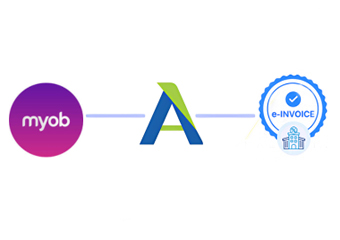
How MYOB Accounting Records Move Through Lesotho E-Invoicing
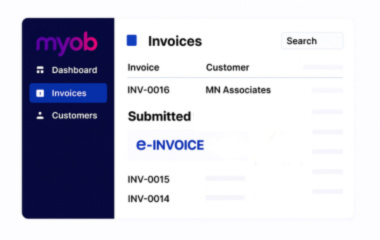
- MYOB Data Collected: Relevant invoice, customer, product, transaction, and tax information is captured from the connected MYOB accounting environment.
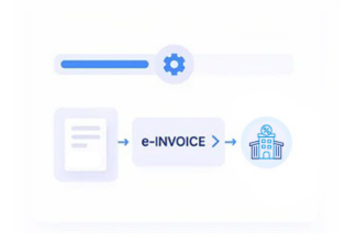
- Billing Information Mapped: Available accounting fields are matched with corresponding electronic invoice requirements for consistent document preparation.
- Invoice Details Validated: Configured checks review essential information and help identify incomplete or inconsistent records before processing continues.
- Tax Records Organized: Applicable VAT information and transaction details are structured alongside invoice data for accurate electronic processing.
- Documents Processed: Prepared invoice information proceeds through Advintek’s connected Lesotho e-invoicing workflow for further electronic handling.
- Accounting History Maintained: Processed information remains connected to accounting records, supporting reconciliation, reporting, and financial documentation requirements.
What Advintek Adds to MYOB Financial Operations
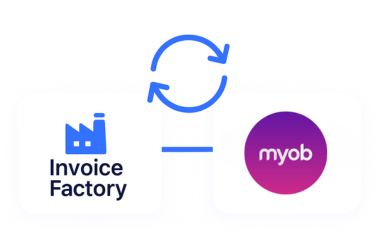
Advintek links MYOB accounting with Lesotho e-invoicing, coordinating invoice data, validation, processing, and tax workflows within a connected environment.
- Links MYOB invoices with e-invoicing
- Coordinates customer, transaction, and VAT
- Supports pre-processing invoice validation
- Connects invoices with accounting records
Why Businesses Pair MYOB with Advintek
- Accounting Processes Stay Familiar: MYOB continues supporting regular bookkeeping, invoicing, customer management, and financial administration without disrupting established accounting routines.
- Cleaner Invoice Information: Connected data reduces unnecessary re-entry and helps maintain consistency between MYOB records and electronic invoice documents.
- More Efficient Billing Administration: Automated information handling reduces repetitive accounting activities associated with preparing invoices for digital processing.
- Stronger Reconciliation Support: Connected invoice records give finance teams better visibility when reviewing transactions against MYOB accounting information.
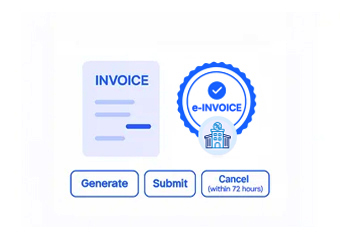
- Better Adjustment Control: Changes to billing documents can follow defined workflows while keeping related accounting information properly coordinated.
- Centralized Digital Documentation: Electronic invoice information remains organized, helping businesses maintain accessible records for reporting and financial administration.
Everything You Need for Lesotho E-Invoicing in One Place
Automated Billing Connection
Relevant MYOB invoice records can enter connected workflows, helping businesses coordinate accounting information with e-billing requirements.
Structured Tax Validation
Invoice and VAT information can undergo configured checks before processing, supporting greater accuracy across digital tax documents.
Financial Record Coordination
Electronic billing activity stays connected with accounting information, helping teams manage reconciliation and reporting from organized records.
MYOB Integration for Lesotho Businesses
Businesses using MYOB for bookkeeping, invoicing, customer accounts, and financial management can connect their accounting environment with structured electronic invoicing workflows through Advintek.
- Connect MYOB accounting with electronic invoicing
- Coordinate invoice and VAT information
- Support financial reconciliation processes
- Maintain accessible digital billing records
Accounting-to-Invoice Connectivity
Keep MYOB workflows aligned with Lesotho e-invoicing and tax compliance requirements.
MYOB Connected. Lesotho E-Invoicing Supported.
Ready e-Invoice System
Frequently Asked Questions MYOB e-Invoicing Lesotho
1. How can MYOB customer and supplier information work with Advintek?
Advintek can use relevant customer and supplier information from MYOB within connected electronic invoicing workflows. This helps businesses maintain consistent party details across accounting and invoice records while supporting structured document preparation. The integration reduces duplicated information handling and helps finance teams maintain cleaner records throughout Lesotho e-invoicing operations.
2. Does Advintek help validate MYOB invoices before electronic submission?
Yes. Advintek can apply configured validation checks to relevant MYOB invoice information before it progresses through the electronic invoicing workflow. These checks help identify issues within important billing fields, allowing accounting teams to review information earlier and improve the quality and consistency of invoices prepared for Lesotho tax processes.
3. How are MYOB sales transactions converted into structured invoice data?
Relevant sales information from MYOB can be mapped into the connected Advintek workflow and organized into structured electronic invoice data. Customer, transaction, item, and tax details can be coordinated during processing, creating a consistent connection between MYOB accounting activity and the digital invoice records generated through the workflow.
4. Can Advintek connect MYOB bookkeeping with Lesotho electronic invoicing?
Advintek provides a connection between MYOB bookkeeping activities and structured electronic invoicing processes. Businesses can continue managing their accounting information within MYOB while relevant invoice records pass through Advintek for electronic processing. This creates a more coordinated environment for bookkeeping, billing administration, VAT information, and digital tax documentation.
5. How does MYOB integration help finance teams manage Lesotho invoice records?
Connecting MYOB with Advintek gives finance teams a more organized way to coordinate accounting information with electronic invoice activity. Relevant records can remain connected throughout processing, supporting invoice review, reconciliation, financial reporting, and documentation management while helping businesses maintain better visibility across their Lesotho digital billing operations.